Why Do QR Codes Expire? The Real Causes
Why do qr codes expire? It's not the code itself — it's the redirect server behind it. Learn the 4 causes and how to avoid codes that die on you.
This article was written by the QR Nova team. We build QR code software, which may inform our perspective.
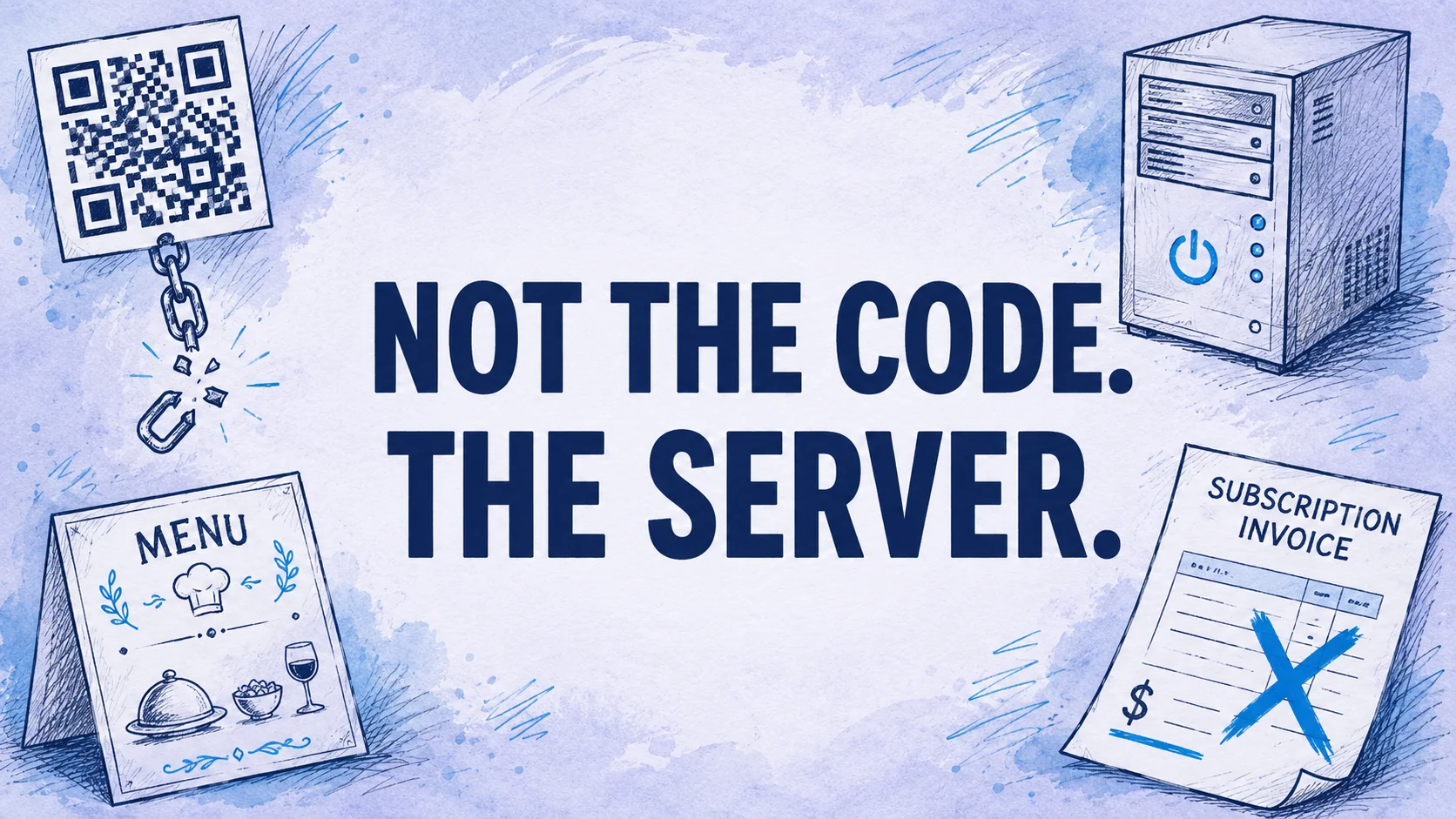
Most explanations of QR code expiration get the cause wrong. They say "your subscription expired" as if that's the full story. It's not. QR codes don't expire — the redirect infrastructure that dynamic codes depend on gets switched off, and every scan after that moment hits a dead server instead of your content. Understanding why this happens is the difference between choosing a setup that protects your print investment and one that quietly kills it months later.
TL;DR
- Static QR codes never expire. The URL is encoded directly in the image with no server involved.
- Dynamic QR codes expire when the redirect server behind them goes offline — triggered by subscription cancellation, trial end, scan cap, or platform shutdown.
- Most platforms give zero warning before deactivating codes. The owner finds out when a customer reports it.
- Physical print materials have a lifecycle of months to years. A subscription lapse mid-lifecycle silently breaks every printed code.
The Redirect Server Architecture That Creates Expiration
Generate your first QR code — free
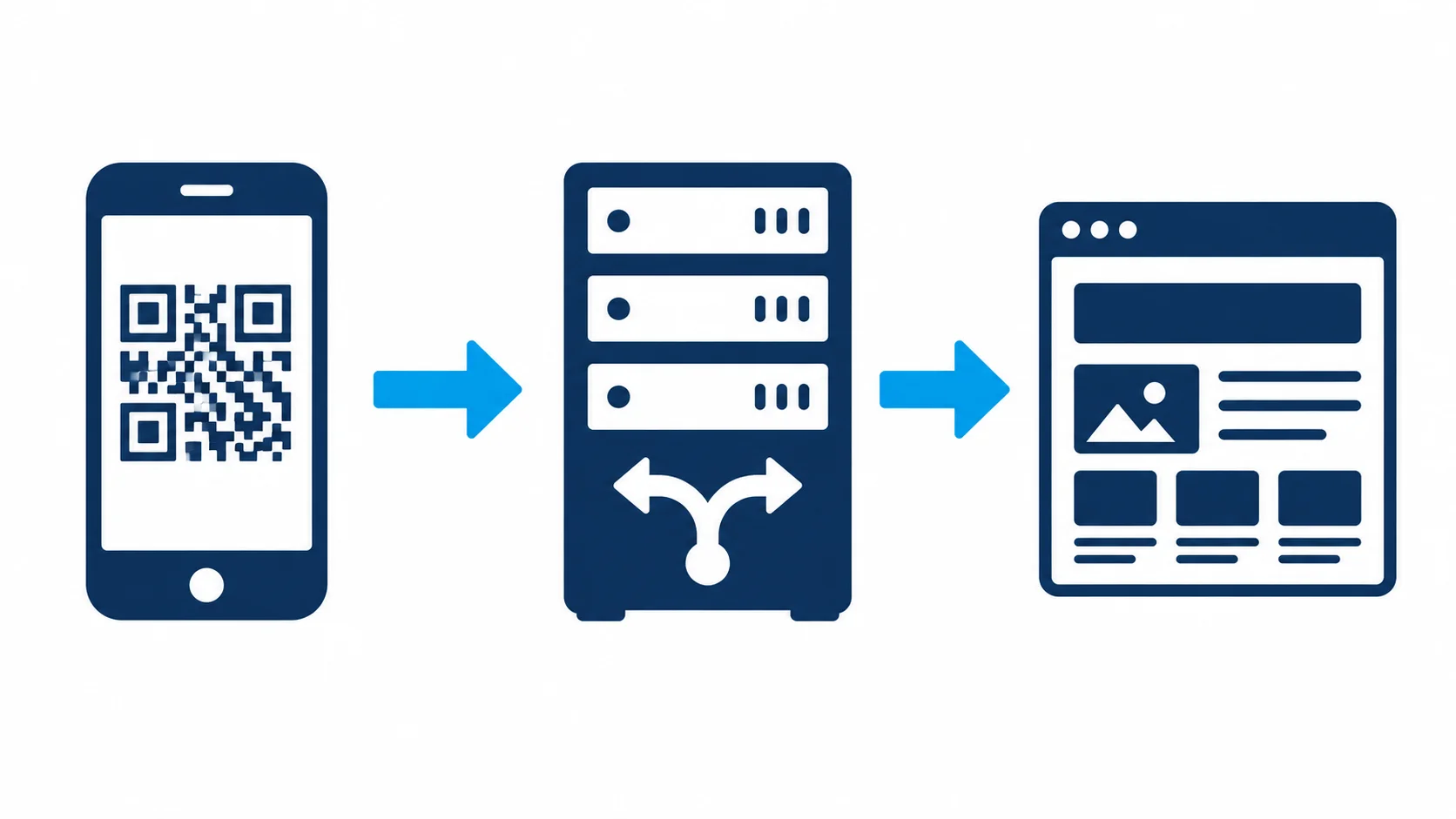
Get startedA dynamic QR code does not encode your destination URL. It encodes a short URL owned by the QR platform — something like qrtg.io/abc123. When someone scans the code, their camera sends a request to that short URL, the platform's redirect server looks up where abc123 should go, and bounces the scanner to your real link. The actual QR pattern in the image is just a pointer to that lookup service.
This architecture is what gives dynamic codes their power: you can change the destination without reprinting, and the platform can log every scan. It's also what creates the expiration problem. The redirect server is not your property. It belongs to the QR platform, runs on their infrastructure, and stays online only as long as your account is in good standing.
Static QR codes work differently. They encode your destination directly inside the pattern itself. No server lookup, no platform dependency. Static codes never expire because there's nothing that can be switched off. The image either scans successfully or it doesn't — and it keeps scanning for as long as the image exists and the destination URL is live.
Why Platforms Are Built This Way
Think of a dynamic QR code like a phone number with call forwarding. You give people the number, but the actual routing happens at the carrier. Cancel the forwarding service, and every call rings into nothing — even though the number is still printed on ten thousand business cards. That's exactly the position platform-gated QR codes put you in.
Hosting a redirect service costs real money: servers, bandwidth, engineers keeping uptime. More to the point, the redirect server is the only leverage a platform has over you once the code is printed. With a dynamic code, the platform is in the loop on every scan, forever. That ongoing dependency is precisely what makes the subscription model work. Cancel the subscription, the service stops. Your printed materials become hostage to a billing relationship.
The 4 Specific Causes of QR Code Expiration
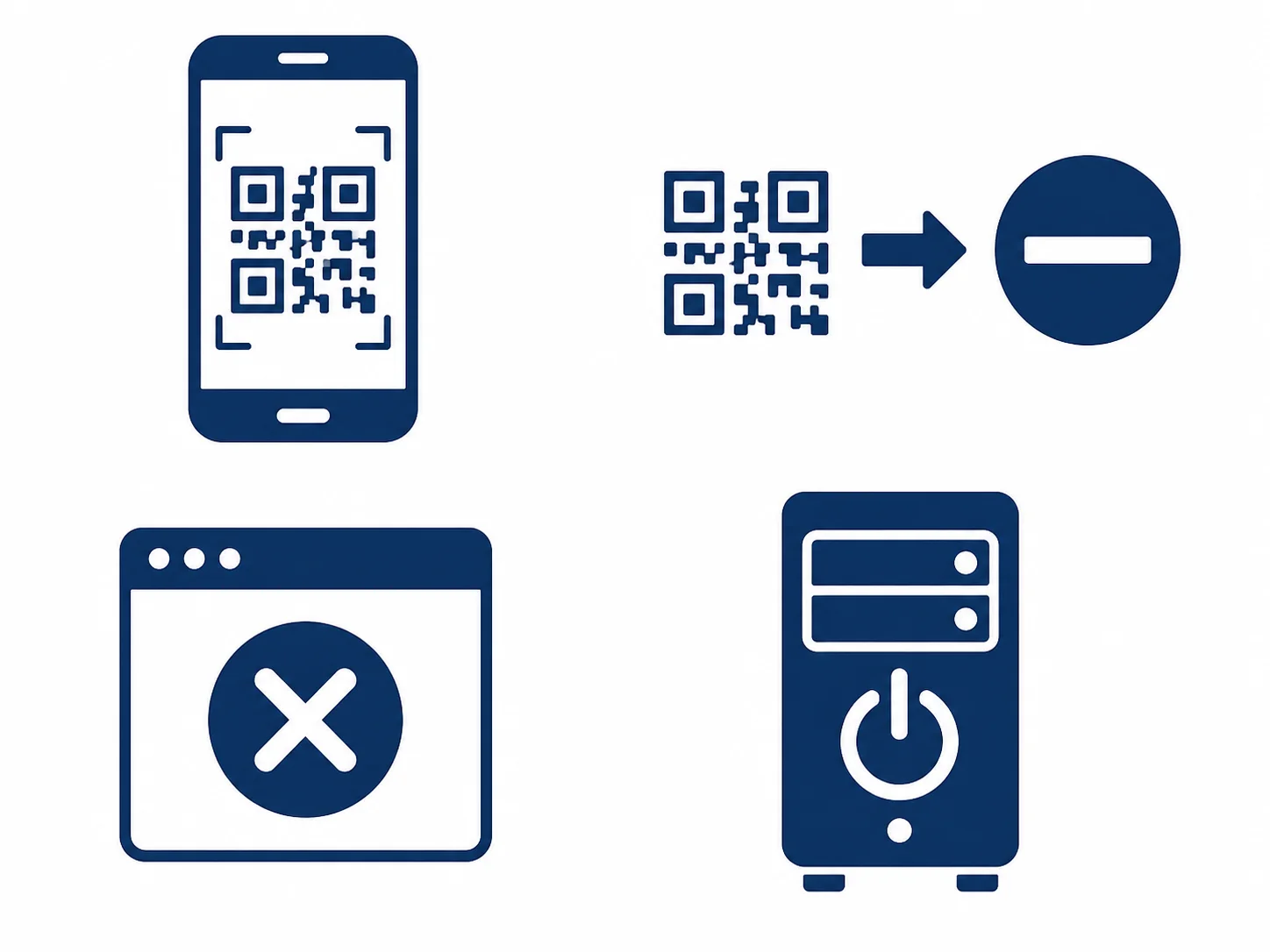
Not all expiration is the same. There are four distinct triggers, each with different characteristics and different levels of user control.
1. Subscription Cancellation
The most common cause. When you cancel a paid plan — or when a payment fails and the platform auto-downgrades your account — dynamic codes tied to that plan go offline. On most platforms, this happens immediately. No grace period. A billing failure at 2 AM means codes are dead by 2:01 AM, and the customers scanning your menu at lunch that day get an error page.
This is the scenario that creates the worst outcomes. The business owner is the last to know. Most platforms send no alert when codes deactivate — no push notification, no email, no in-app warning. The QR code on the shelf, the banner at the trade show, the sticker on the product: they all look exactly the same. They just don't work anymore.
2. Trial End
Many platforms offer free trials that include dynamic code functionality. When the trial expires and you don't convert to a paid plan, codes created during the trial deactivate. This catches people who created codes during an evaluation and then decided the platform wasn't right for them — sometimes without realizing the codes would die immediately on trial end.
The gap between trial end and print material lifecycle is where this gets expensive. Create codes during a 30-day trial, have them printed, decide not to subscribe: your materials may be broken before they're even distributed.
3. Scan Cap
Free tiers on most platforms don't give you unlimited dynamic code functionality — they cap it. As of April 2026, QR Tiger's free plan limits dynamic QR codes to 500 total scans per code. Flowcode's free tier restricts users to 2 active dynamic codes with a 500-scan analytics limit. Hit the cap and the redirect stops, even if your account is still active and in good standing.
The scan cap is particularly counterintuitive. Success triggers failure. A popular product, a well-placed campaign poster, a viral menu QR — the more people scan it, the faster it burns through the cap and goes dark. Most platform interfaces show no prominent warning as you approach the limit, so the owner typically discovers it only after the code has already stopped working.
4. Platform Shutdown
The most permanent cause. When a QR platform shuts down — through bankruptcy, acquisition, or a business pivot — the redirect domain goes offline. Every dynamic QR code that ever pointed to that domain becomes permanently broken. No amount of account reactivation fixes it, because the server no longer exists.
This risk is real. The QR code industry saw consolidation in 2023-2024, with several smaller platforms ceasing operations or being acquired. Codes created on those platforms became unrecoverable at shutdown. Physical materials still in circulation, still being used, still being scanned — all dead.
If you need a dynamic code that won't go dark when billing lapses, QR Nova keeps redirects live regardless of account status — no subscription kill-switch.
Why Expiration Hits Physical Print Harder Than Anything Else
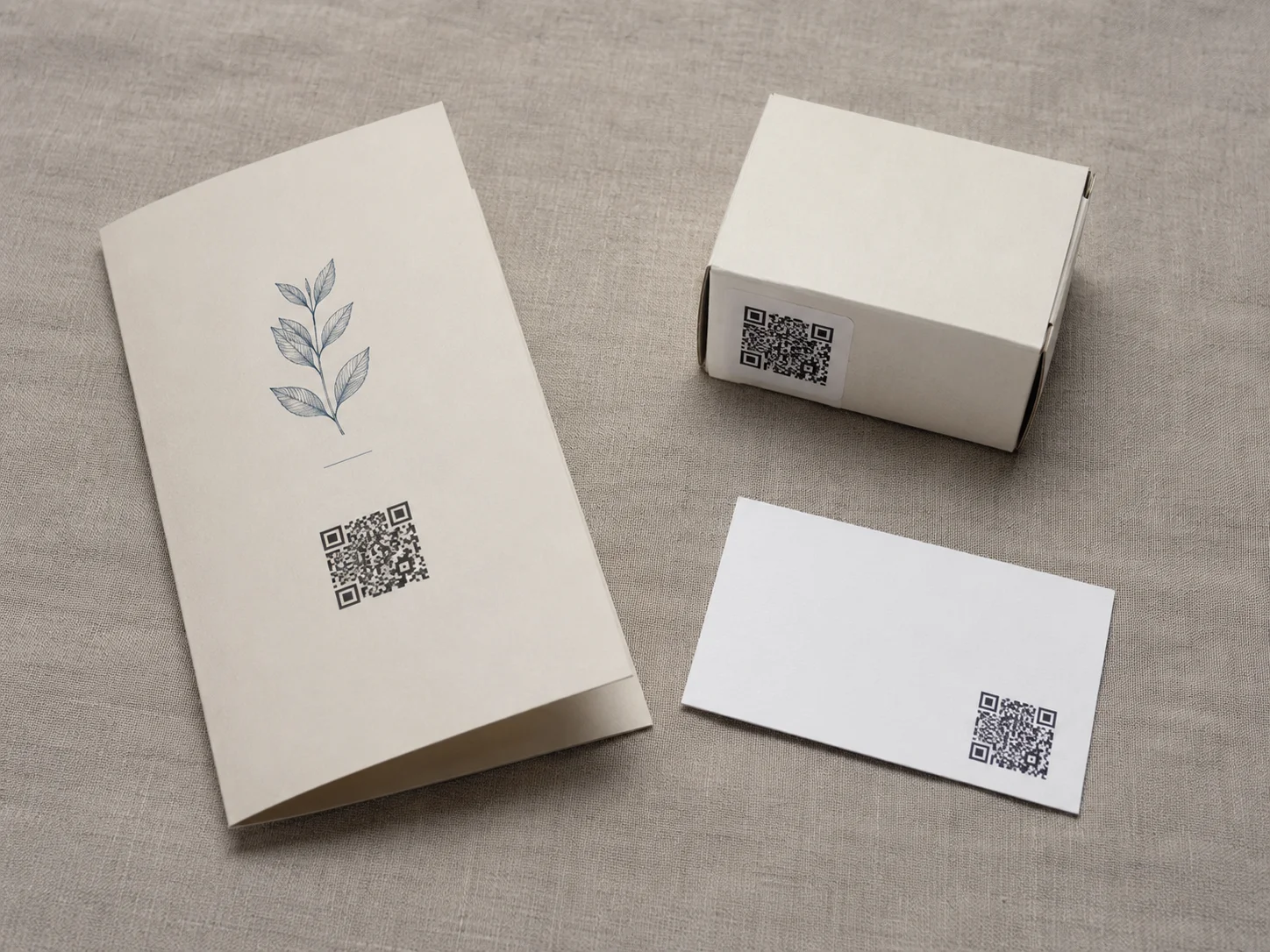
Digital materials — websites, email campaigns, social posts — can be updated or replaced quickly. Printed materials cannot. A restaurant menu reprint costs hundreds of dollars and a few days of turnaround. Product packaging is often ordered in runs of tens of thousands. Trade show banners, outdoor signage, and retail displays have physical lifespans measured in years.
The lifecycle mismatch is the core of the problem. A business might print 10,000 product boxes with a QR code pointing to a promotional video. The boxes have an 18-month shelf life. The QR platform's annual subscription renews fine for the first year, then a billing card update gets missed, the subscription lapses, and the redirect goes dark six months before the boxes are gone from shelves.
According to our analysis of support tickets at QR Nova, the average gap between when a dynamic code goes offline and when the owner is notified by a customer is 4 days. During those 4 days, every scan — potentially hundreds or thousands — results in an error. For a product with an active campaign, that's measurable conversion loss.
The Silent Expiration Problem
Silent expiration is what makes this particularly damaging. If a QR code expired and immediately showed a clear error message — "This code has expired, please contact the business" — the impact would be significant but contained. Users would know the code was the problem, not their phone or the product.
What actually happens is worse. The scanner gets a blank page, a generic redirect error, or a "404 Not Found" that gives no useful information. The user assumes the product is broken, their camera app has a bug, or the business is unprofessional. The brand damage is invisible from the owner's side and obvious from the customer's side.
Most platforms send no proactive notification when a redirect deactivates. The owner finds out through a customer complaint, an internal audit, or a staff member who happened to test the code for an unrelated reason. By then, the code has been dead for days.
In our review of how competing platforms handle deactivation, the majority show a generic platform error page — not a branded message. That means the user experience when a code dies is identical to a network timeout. Customers can't tell whether the problem is the QR code, their phone, or the product itself. The fault gets framed on the owner's brand, and the owner never sees it happen.
When QR Code Expiration Is Actually Intentional
There are legitimate use cases where expiration is a feature, not a failure. Event-specific codes — for a concert, a conference, a one-day promotion — should stop working after the event ends. Temporary campaign codes tied to a seasonal offer are deliberately short-lived. Single-use authentication codes expire by design to prevent replay attacks.
In these contexts, expiration is correct behavior. The code did its job. The problem only arises when expiration is unintentional: when a code was meant to last and gets cut off by a billing event or a platform decision the owner didn't anticipate.
The distinction matters when evaluating platforms. A platform that offers configurable expiration dates — where you set an end date by choice — is offering a feature. A platform where codes expire as a side effect of subscription cancellation is creating a liability. Both look like "expiration" in a support article, but they're fundamentally different things.
How to Protect Your QR Codes from Unexpected Expiration
The clearest protection is choosing the right code type for each use case. For any destination that won't change — a website, a PDF, a video — a permanent static QR code is the right answer. No server, no subscription, no expiration. The URL is baked into the image and stays functional indefinitely.
For destinations that need to change — campaigns you'll update, links you'll redirect to seasonal content — a dynamic QR code is necessary. In that case, the platform choice becomes critical. Look for:
- No immediate deactivation on subscription change. A platform that gives you a grace period — or keeps codes active permanently — is fundamentally safer than one that cuts off access at the moment of billing failure.
- Proactive scan cap alerts. If a platform has scan limits, it should email you well before you hit them, not after.
- Transparent platform history. Several years of operation with a clear business model is a better sign than a startup with unclear revenue. Smaller platforms have shut down before.
- Export options. Some platforms let you export redirect data or point your own domain at the redirect service — recovery options if the platform disappears.
If you've already had a QR code expire on you, the path forward depends on whether your code is static or dynamic and whether the platform is still operating. Dynamic codes on a live platform can usually be restored by reactivating the subscription. Static codes pointing to a dead URL require a new code and new print materials.
How QR Nova Handles This Differently
QR Nova's approach to dynamic codes removes the subscription-as-kill-switch model. Codes created on QR Nova remain active regardless of billing status. The redirect infrastructure does not shut off when a plan changes or a payment is missed. This isn't a marketing claim — it's an architectural choice: the redirect service is not gated by account billing state.
For static codes, there's nothing to manage. Generate the code, download the image, use it forever. No account required, no expiration, no platform dependency. The destination URL is encoded directly in the QR pattern.
QR codes should work as long as you need them to. Not as long as your billing relationship with a platform holds out. You can create a QR code at QR Nova free, without a subscription, and it will keep working after you close the browser tab.
If you're evaluating QR platforms for a print run that needs to last — packaging, signage, cards — the most revealing question to ask is not "what features do you offer" but "what happens to my codes if I cancel tomorrow." The answer tells you everything about the real risk.
Frequently asked questions
Why do dynamic QR codes expire?
Dynamic QR codes route through a redirect server owned by the QR platform. When your subscription lapses, the platform shuts off that redirect, and every scan hits a dead end. The printed code is fine — the infrastructure behind it is what dies.
Do QR codes expire if not used?
Static QR codes never expire regardless of inactivity — the URL is encoded directly in the image. Dynamic QR codes on most platforms expire when the subscription ends, whether or not the code was ever scanned.
What causes a QR code to stop working?
Four causes: subscription cancellation, trial end, scan cap hit, or platform shutdown. Of these, subscription cancellation is by far the most common — and happens with zero warning on most platforms.
How long does a QR code last before it expires?
A static QR code lasts forever. A dynamic QR code lasts exactly as long as your paid plan. On free tiers, QR Tiger caps dynamic codes at 500 total scans and Flowcode allows 2 active codes with a 500-scan analytics limit (as of April 2026). Once either limit is hit, the redirect stops.
Can a QR code expire without the owner knowing?
Yes, and this is the most damaging aspect. Most platforms send no email or in-app alert when a code is about to deactivate. The owner finds out only after a customer or colleague reports it — often after the code has been dead for days.
Is there a way to make a QR code that never expires?
Static QR codes never expire because they have no server dependency. For dynamic codes with editable destinations and scan tracking, QR Nova keeps codes active permanently with no subscription required — the redirect server doesn't shut off when a trial ends.
Why does expiration hurt physical print more than digital?
Digital materials can be updated or replaced in minutes. Printed menus, banners, product packaging, and business cards have a physical lifecycle of months to years. A subscription that lapses six months after print day silently kills a QR code that is still physically present and being scanned.
What is the redirect server and why does it matter?
A dynamic QR code encodes a short platform URL, not your actual destination. The platform's redirect server reads that short URL and bounces the scanner to your real link. If the server goes offline — because of cancellation, shutdown, or a billing failure — there is nothing to redirect to.
Related articles
Do QR Tiger Codes Expire? What Happens When You Cancel
Do QR Tiger codes expire? Free codes die at 500 scans, paid codes deactivate when you cancel. Which codes survive, and how to avoid the trap.
QR Code Expired? How to Fix It Without Reprinting (2026)
QR code expired? Trial end, scan cap, dead URL, or provider shutdown each need a different fix. Diagnose the cause and reactivate without reprinting.
What Happens When You Cancel a QR Code Subscription
What happens when you cancel a QR code subscription? Dynamic codes die at the billing cutoff. What each platform does — and how to protect yourself.
Generate your first QR code — free
Get started